Grow with the name you know

Quality Seeds Since 1896

Simple, Reliable Tips for Growing Fresh, Flavorful Herbs at Home

Herb Growing Guide

Herbs are some of the easiest and most rewarding plants to grow. They thrive in small spaces, grow well indoors or outdoors, and add incredible flavor to meals. But choosing the right location, watering properly, and knowing when to harvest can still feel confusing for new gardeners.

This guide gives you the simple, trusted steps you need to grow herbs that thrive – whether they’re planted in garden beds, raised beds, pots, or your kitchen windowsill.

Before You Plant

Set Your Herbs Up for Success

Choose the right light
Most herbs grow best with 6 hours of direct sunlight, though many tolerate partial shade.

Prepare well-draining soil
Herbs dislike soggy soil. Use loose, well-drained soil or potting mix. Add a little compost, but avoid overly rich soil - it can lead to weaker flavor.

Pick the right container (if planting in pots)
Choose pots with drainage holes. Herbs like basil, parsley, and cilantro grow well in medium pots; rosemary and mint prefer slightly larger containers.

Understand annual vs. perennial herbs

• Annuals: Basil, cilantro, dill
• Perennials: Rosemary, oregano, thyme, sage, chives, mint

This helps you plan where to plant each one.

Depth, Spacing, Watering, and Early Care

Planting Herb Seeds

Plant lightly

Most herb seeds are small and need only a light covering of soil, or simply press them gently into the surface.

Water gently

Keep soil moist until seeds sprout, then water when the top inch of soil feels dry.

Start indoors or outdoors

Many herbs grow well indoors, especially basil, parsley, thyme, and oregano. Outdoors, plant after danger of frost unless the herb prefers cool weather (like cilantro).

Give herbs space

Group herbs with similar needs – for example, rosemary and thyme prefer drier soil, while basil likes more moisture.
Watering, Feeding, Sunlight, and Pruning

Caring for Your Herb Plants

Water consistently, but not excessively

Herbs like even moisture, but they don’t want wet roots. Container herbs dry out faster and may need more frequent watering.

Pinch and prune to encourage growth

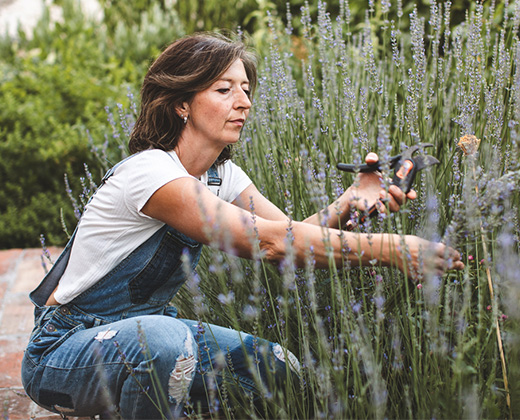
Regular harvesting helps herbs grow fuller and prevents early flowering (especially basil and mint).

Feed sparingly

Too much fertilizer reduces flavor. A light feeding of compost or mild fertilizer is plenty.

Rotate herbs indoors

If growing in a windowsill, rotate pots regularly so plants grow upright and evenly.

Watch for pests and disease

Check leaves regularly. Remove pests early and avoid watering leaves at night.
How and When to Harvest for Best Flavor

Harvesting Herbs

Harvest often

Frequent picking encourages new growth and better flavor.

Basil

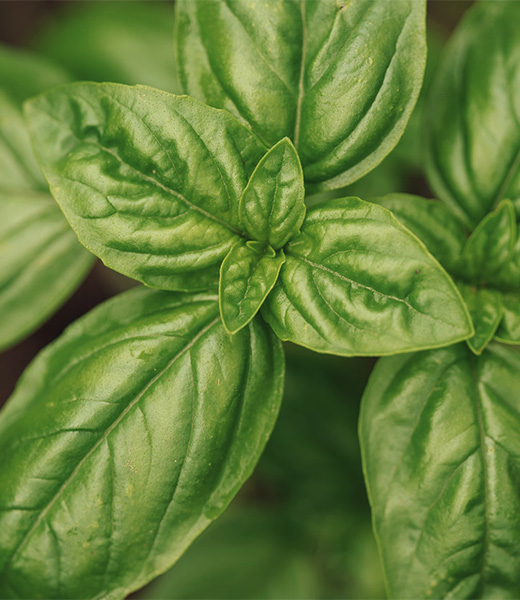
Pinch stems above leaf pairs to grow a fuller plant.

Parsley & cilantro

Cut outer stems first; let inner stems continue growing.

Rosemary, thyme, oregano, sage

Snip small sprigs as needed. These woody herbs hold flavor even after flowering.

Chives

Cut blades near the base to encourage new growth.
Tips for Kitchens, Balconies, Patios, and Containers

Growing Herbs Indoors and in Small Spaces

Choose herbs that thrive indoors
Basil, parsley, chives, oregano, thyme, and mint are great indoor herbs.

Use bright windowsills or grow lights
South- or west-facing windows work best.

Avoid overwatering
Indoor containers dry differently than outdoor soil; check often but water sparingly.

Grow herbs together
Group herbs with similar moisture needs for easier care.

Try compact varieties
Herbs from the Urban Garden line are ideal for small pots, balconies, and patios.

Troubleshooting Common Herb Problems

Quick Fixes for Healthy, Flavorful Herbs

Leggy, stretched herbs

Not enough light – move them to a sunnier spot.

Yellowing leaves

Insufficient light – move plants to a sunnier spot.

Weak flavor

Soil may be too rich or plants may not be pruned enough.

Herbs bolting (flowering too early)

Common in heat-loving herbs like cilantro. Harvest often and provide some shade.

Slow growth

Insufficient light, poor drainage, or overcrowding.
Frequently Asked Questions

Herb Growing FAQs

Most herbs prefer 6 hours of sunlight, but mint, parsley, and cilantro can tolerate less.
Yes. With enough light and proper watering, many herbs thrive indoors all year. South-facing windows or grow lights work best.
Basil, parsley, chives, cilantro, thyme, and mint are excellent choices for new gardeners.
Only a little. Over-fertilizing can reduce flavor. Use compost or light feeding sparingly.
All herbs can grow in pots, but compact varieties and perennials like rosemary, thyme, mint, and oregano excel in containers.

Shop Urban Garden Seeds
Overfeeding, insufficient sunlight, or infrequent harvesting can weaken flavor. Prune regularly to encourage stronger growth.
Heat and stress can cause herbs like basil and cilantro to bolt. Harvest often, provide afternoon shade, and keep soil evenly moist.
Yes, as long as they share similar water and sunlight needs. Avoid mixing moisture-loving basil with dry-soil herbs like rosemary in the same container.
Ready to Start Growing?
Plant With Confidence Using Page Seed Herb Varieties
Choose the Collection That Fits Your Gardening Style

Recommended Seeds for Herb Gardens

Liberty Garden – Easy, dependable herbs

Page Premium – Wide selection for cooking and flavor exploration

Heirloom Seeds – Exceptional aroma and traditional herb varieties

Organic Seeds – Grow herbs naturally and chemical-free

Urban Garden – Compact herbs perfect for containers and kitchens

Basket (0)
Your cart is currently empty.