Learn the Best Time to Plant Seeds in Your Garden
One of the most common questions gardeners ask is simple: When should I plant?
The answer depends on where you live. Your climate, frost dates, and USDA Plant Hardiness Zone all influence the right time to start seeds indoors or sow them outdoors.
Your Page Seed packet provides variety-specific instructions such as how many weeks before or after frost to plant.
This guide shows you how to use your zone and frost dates to apply those instructions correctly.
Find Your USDA Planting Zone
Your USDA planting zone tells you the average minimum winter temperature in your region. This helps you understand:
When your last frost typically occurs
When your first frost typically arrives
How long your growing season lasts
Which plants are best suited to your climate
Use the map to locate your zone, or check online by entering your ZIP code into any USDA zone lookup tool.

How to Use Your Zone and Frost Dates to Determine Planting Time
Your last frost date in spring
Your first frost date in fall
Your USDA planting zone
Whether the plant is a cool-season or warm-season crop
Step 1: Know Your Frost Dates
Your last frost date in spring tells you when warm-season crops can safely go outside.
Your first frost date in the fall tells you how long your growing season lasts.
Warm-season vegetables like tomatoes, peppers, cucumbers, and beans must be planted after the last frost.
Cool-season vegetables like lettuce, peas, radishes, and spinach can be planted earlier, when temperatures are still cool.
Step 2: Understand Which Crops Start Indoors vs. Outdoors
Some seeds grow best when started indoors; others prefer to be sown directly in the garden.
Start indoors:
Tomatoes
Peppers
Broccoli
Cabbage
Peas
Beans
Carrots
Lettuce
Cucumbers
Squash
Step 3: Count Back from Your Last Frost Date
Warm-season crops usually need to be started indoors several weeks before your final frost.
Example:
If your last frost date is May 10, and tomatoes typically start indoors 6-8 weeks earlier, you would start them between mid-March and early April.
General guidelines for each plant type help you create your planting schedule.
Step 4: Follow Seasonal Patterns
Cool-Season Vegetables
(Early Spring and Fall)
Lettuce
Spinach
Radishes
Kale
Peas
Warm-Season Vegetables
(Late Spring and Summer)
Tomatoes
Peppers
Beans
Cucumbers
Squash
These need warm soil and long days of sunlight.
Step 5: Adjust for Microclimates
More or less sunlight
Heavy or sandy soil
Higher or lower elevation
Wind exposure
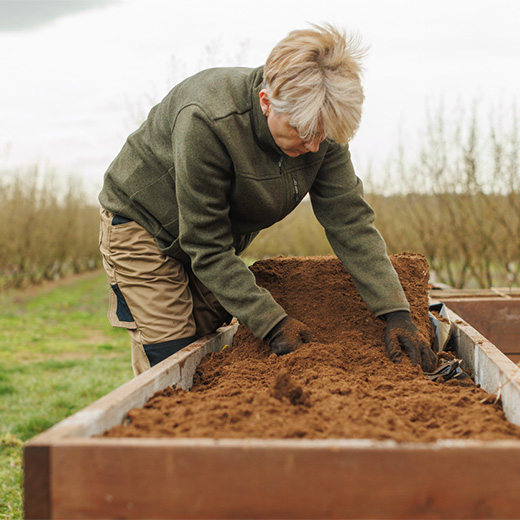
Raised beds or containers
Raised beds and containers typically warm up earlier in spring, allowing earlier planting.
Why Timing Matters
Planting at the right time helps with:
Better germination
Stronger root development
Fewer pest and disease issues
Higher yields
Healthier, more resilient plants
Plant too early and frost may damage your crop; plant too late and your harvest window shortens.
What Gardeners Are Saying
When to Plant: FAQs