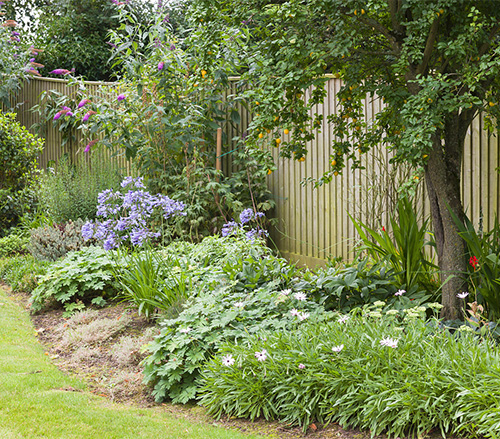
Grow a Garden That Brings Your Backyard to Life
A garden can be more than beautiful – it can be a place where bees, butterflies, hummingbirds, and beneficial insects thrive. Pollinator-friendly gardens help support the natural world, improve biodiversity, and even increase your vegetable harvests. But many gardeners aren’t sure which plants attract pollinators or how to create a habitat that keeps them coming back.
This guide makes it simple to grow a pollinator- and wildlife-friendly garden using flowers, herbs, and plants that provide food, shelter, and color throughout the season.
Why Pollinators Matter
Pollinators play an essential role in our gardens and ecosystems.
They help:
Increase vegetable and fruit production
Support healthy plant communities
Improve biodiversity
Encourage natural pest control
Add life and movement to your garden
By planting with pollinators in mind, you help strengthen your local environment – even in small spaces.
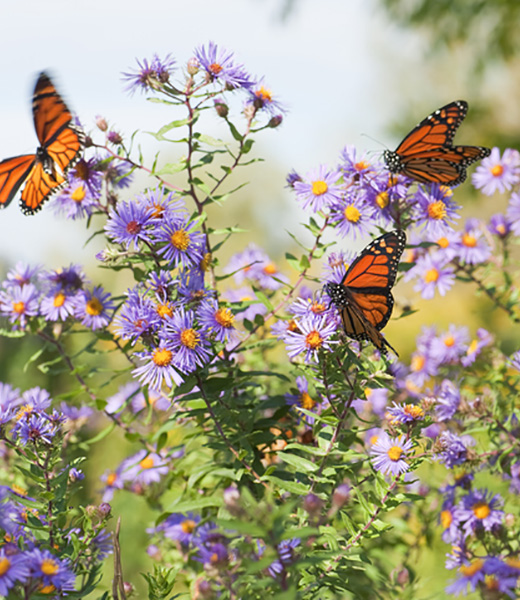
The Best Flowers for Pollinators
These flowers attract bees, butterflies, hummingbirds, and other beneficial insects.
Zinnias
Sunflowers
(dwarf or standard)
Cosmos
Nasturtiums

Herbs That Attract Pollinators
Flowering herbs bring bees and butterflies while providing culinary benefits for gardeners.
Best herbs for pollinators:
Basil
Dill
Parsley
Cilantro
Chives
Oregano
Thyme
Creating a Pollinator-Friendly Garden
Plant in Groups
Pollinators find large clusters of the same flower more easily than isolated plants. Try planting 3-5 of the same variety in a small area.
Provide Blooms from Spring Through Fall
Choose varieties that flower early, midseason, and late to keep food available all year.
Add Water
A shallow dish with stones gives bees a safe place to drink.
Avoid Pesticides
Pesticides - even organic ones - can harm pollinators. Focus on healthy plants, diverse flowers, and natural pest control.
Let Parts of Your Garden Grow Naturally
A few untidy corners with leaves or hollow stems gives beneficial insects a place to shelter and overwinter.

Wildlife-Friendly Gardening
Seeds from sunflowers and coneflowers
Nectar-rich blooms
Shelter among flowers and foliage
Host plants for butterflies
Even in small yards or patios, container-grown flowers can support wildlife.
Plants That Support Multiple Wildlife Species
Sunflowers (bees, birds)
Dill and parsley (host plants for swallowtail butterflies)
Cosmos (butterflies, bees)
Zinnias (butterflies, bees)
Nasturtiums (hummingbirds, bees)
Marigolds (beneficial insects)
Tips for Success
Mix flowers with herbs and vegetables
Choose diverse colors and bloom shapes
Keep a portion of your garden blooming at all times
Add native or native-style flowers when possible
Avoid disturbing leaf litter in fall - many pollinators overwinter there
A pollinator garden is as beautiful as it is beneficial.
What Gardeners Are Saying
Pollinator & Wildlife Gardening FAQs